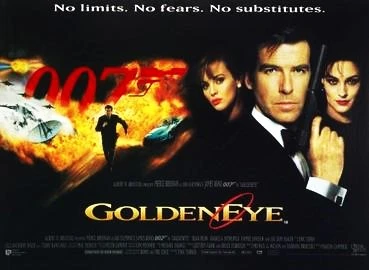
GoldenEye Multiplayer
Four players, one screen, endless chaos—and the occasional thrown controller.

GoldenEye Multiplayer is the iconic split-screen deathmatch mode from the 1997 first-person shooter GoldenEye 007, developed by Rare and published by Nintendo for the Nintendo 64. It allowed up to four players to compete in various game types across a selection of maps from the single-player campaign, using the game's full arsenal of weapons. This mode is widely credited with popularizing local multiplayer shooters on home consoles and remains a benchmark for the genre.
- character
- Multiple (player-selected from single-player characters)
- role
- Competitive multiplayer mode
- affiliation
- Nintendo 64, Rare
- first_appears
- GoldenEye 007 (1997)
- status
- Classic, influential mode
Lore & Background
GoldenEye Multiplayer emerged from Rare's desire to extend the replay value of their blockbuster adaptation of the James Bond film. The mode was developed in secret by a small team, who repurposed enemy models and environments from the single-player campaign to create a frantic, arena-based experience. Its success was immediate and enduring, turning the game into a social phenomenon at sleepovers and college dorms. The mode features 14 maps (including unlockable ones), each a section of a campaign level, and supports up to four players in split-screen. Players choose from a roster of characters—including Bond, Natalya, and Oddjob—each with the same hitbox except for Oddjob, whose shorter stature made him a controversial favorite. Weapons range from the PP7 to the devastating Golden Gun, and game types include Deathmatch, Team Deathmatch, and The Man with the Golden Gun. Its legacy is profound: GoldenEye Multiplayer defined the console multiplayer shooter for a generation, influencing later titles like Halo and Call of Duty. It remains a touchstone for local multiplayer design, celebrated for its balance of simplicity, chaos, and social fun.
In Their Own Story
The facility hums with the low thrum of generators. Four shadows flicker across the monitor banks—Bond, Natalya, Oddjob, and Jaws, each clutching a silenced PP7. The air is thick with tension and the smell of ozone. A single shot rings out, and the chase begins through the maze of server racks and catwalks. There is no mission, no objective but survival. In the next room, four players lean forward on a worn couch, shouting and laughing as the screen splits into quadrants of pixelated mayhem.
Reader's Guide
GoldenEye Multiplayer is a local split-screen mode for two to four players. Each player selects a character and a controller configuration (including the iconic 1.2 Solitaire control scheme, which swaps the C-buttons for aiming and the analog stick for strafing—a layout that became legend among fans). The host chooses a map, game type, and weapon set from the options menu. Game types include: Deathmatch (free-for-all), Team Deathmatch (two teams), You Only Live Twice (each player has two lives, ratcheting up the tension), The Man with the Golden Gun (a single one-hit-kill pistol spawns somewhere on the map, turning every match into a desperate hunt), and License to Kill (one-hit kills with any weapon, turning every corridor into a deathtrap). Players can also set handicaps, such as altering health or damage modifiers—perfect for evening the odds when your little brother insists on playing Oddjob. Weapons are picked up from the environment or from fallen opponents. The Golden Gun gleams with a golden finish and fires a single, lethal round; in its eponymous mode, finding it transforms you into the most hunted player on the map. The proximity mine is a fan-favorite tool for trapping doorways—stick one on a wall and wait for the satisfying beep-boom. The mode's depth comes from map knowledge—learning spawn points, weapon locations, and sightlines—and from the social dynamics of split-screen, where a well-placed mine can end a friendship as easily as a round.
Did You Know?
- The multiplayer mode was developed in secret by a small team at Rare, repurposing enemy models and environments from the single-player campaign.
- Oddjob's shorter stature gave him a controversial advantage, as his hitbox was smaller than other characters.
- The 1.2 Solitaire control scheme swapped the C-buttons for aiming and the analog stick for strafing, becoming a legendary layout among fans.
- The Man with the Golden Gun game type features a single one-hit-kill pistol that spawns somewhere on the map, turning every match into a desperate hunt.
- Players can set handicaps such as altering health or damage modifiers to balance matches between players of different skill levels.
Frequently Asked Questions
What is GoldenEye Multiplayer?
It is the iconic split-screen deathmatch mode found in the 1997 Nintendo 64 game GoldenEye 007. This feature allowed up to four players to compete locally using characters and weapons from the single-player campaign.
How many people can play simultaneously?
The mode supports a maximum of four players on a single television screen at once. Each participant controls one of the available agents or enemies from the main story missions.
What game types are included in this mode?
Players can choose from various competitive formats such as Free For All, Team Deathmatch, and Capture the Briefcase. These rules dictate how points are scored during matches across different campaign maps.
Why is this multiplayer mode considered important?
It is widely credited with popularizing local multiplayer shooters on home consoles during the late 1990s. Its design remains a benchmark for competitive gaming and influenced many future first-person titles.
Can you use all weapons in this mode?
Yes, participants have access to the game's full arsenal of firearms and gadgets during matches. Weapon selection is often customized before each match begins to balance gameplay.
More in Gameplay & Mechanics
Elsewhere in the GoldenEye universe
Spotted an error? Know more?
This is a living reference — every entry is fact-audited, and reader corrections feed straight into our audit queue. Suggest an edit · See this site's audit record