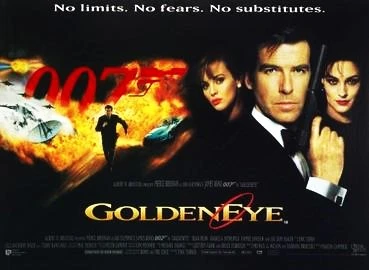
Nuclear Plant (1997)
Infiltrate the reactor core, silence the guards, and keep the world from going nuclear.

Nuclear Plant is a single-player campaign level in GoldenEye 007, the 1997 Nintendo 64 action-adventure game developed by Rare and published by Nintendo. Set within the broader plot to stop the hijacked GoldenEye nuclear-powered satellite, the level tasks the player—controlling James Bond (007)—with navigating a hostile industrial nuclear facility, engaging enemies, and progressing toward the satellite's ultimate fate. As one of the mid-campaign stages, Nuclear Plant sits between the early training/satellite encounters and the later vehicle-based sequences, serving as a transition into the more complex, multi-area levels that define the game's second half.
- Game
- GoldenEye 007
- Platform
- Nintendo 64
- Developer
- Rare
- Publisher
- Nintendo
- Release year
- 1997
- Player character
- James Bond (007)
- Level type
- Single-player campaign stage
Lore & Background
In the GoldenEye 007 narrative, the satellite that shares the game's name is a dual-use military asset: a powerful communications and surveillance platform powered by a compact nuclear reactor. When former M.I.6 operative Alec Trevelyan (codename 006) seizes control of the satellite, the threat shifts from espionage to outright annihilation, as the reactor's output can be redirected into a devastating pulse. The Nuclear Plant level places Bond inside the terrestrial infrastructure that supports the satellite programme—cooling corridors, control rooms, and reactor housings where the same fission technology that powers GoldenEye in orbit is replicated on the ground. The facility is under 006's command, and its corridors are patrolled by armed operatives who must be evaded or eliminated. The level's industrial atmosphere—concrete catwalks, glowing reactor pools, and humming turbine halls—contrasts sharply with the earlier, more open satellite-station sequences. Rare designed the level to introduce tighter, more corridor-based stealth and combat while still rewarding players who explore side areas for extra weapons, ammo, and the hidden score bonuses that became a hallmark of the game's replayability.
In Their Own Story
The air in the reactor hall tastes of ozone and hot metal. Bond slides along the catwalk above the primary coolant loop, his shadow the only thing moving in the blue-white glow. Below, two guards argue in low voices, their rifles slung across their backs. He waits. Counts. Drops a single silencer shot through the grating, then another. The argument stops. The hum of the turbines swallows the rest. Ahead, the control room door is sealed. A keypad blinks amber. Bond presses his ear to the panel, listening for the magnetic lock's cycle, and times his breaching charge to the second. The door groans open. Inside, a terminal scrolls telemetry—satellite burn vectors, reactor output, a countdown that isn't supposed to exist yet. He pulls the drive, pockets it, and is gone before the alarm finishes its first shriek.
Reader's Guide
Bond enters the Nuclear Plant facility under orders to disrupt 006's ground support for the GoldenEye satellite. The level opens in an exterior approach area before leading into the main industrial complex. Inside, the player moves through a series of interconnected corridors, control rooms, and reactor bays. Armed guards patrol set routes; some are stationary sentries, others move between waypoints. The player can engage them with any weapon in the inventory or attempt to avoid detection entirely, though the level's geometry largely funnels the player past key chokepoints. Objectives include reaching a specific terminal or control point, defeating a set number of hostiles, and in some runs, collecting hidden score items tucked into side rooms and elevated platforms. The level ends when the player reaches the exit trigger, typically a doorway or elevator that transitions to the next campaign stage. The Nuclear Plant level matters structurally: it shifts the campaign from the earlier, more open satellite-station gameplay into tighter, corridor-based combat, and it deepens the narrative stakes by showing the player the terrestrial nuclear infrastructure that underpins the GoldenEye threat. It also introduces environmental hazards—steam vents, flickering lighting, and narrow catwalks—that become recurring design elements in later levels.
Did You Know?
- GoldenEye 007 was developed by Rare, the British studio better known for Banjo-Kazooie and Perfect Dark, marking one of their few licensed-title projects.
- The game's multiplayer modes—particularly the four-player deathmatch—became a cultural phenomenon in the late 1990s and helped define the N64's local-multiplayer identity.
- The GoldenEye satellite in the story is depicted as a nuclear-powered military communications platform, a concept that borrows from real Cold War-era dual-use satellite programmes.
- Rare designed the single-player levels to be fully explorable, with hidden score bonuses and secret weapons rewarding players who deviated from the main path.
More in Story & Campaigns
Elsewhere in the GoldenEye universe
Spotted an error? Know more?
This is a living reference — every entry is fact-audited, and reader corrections feed straight into our audit queue. Suggest an edit · See this site's audit record